
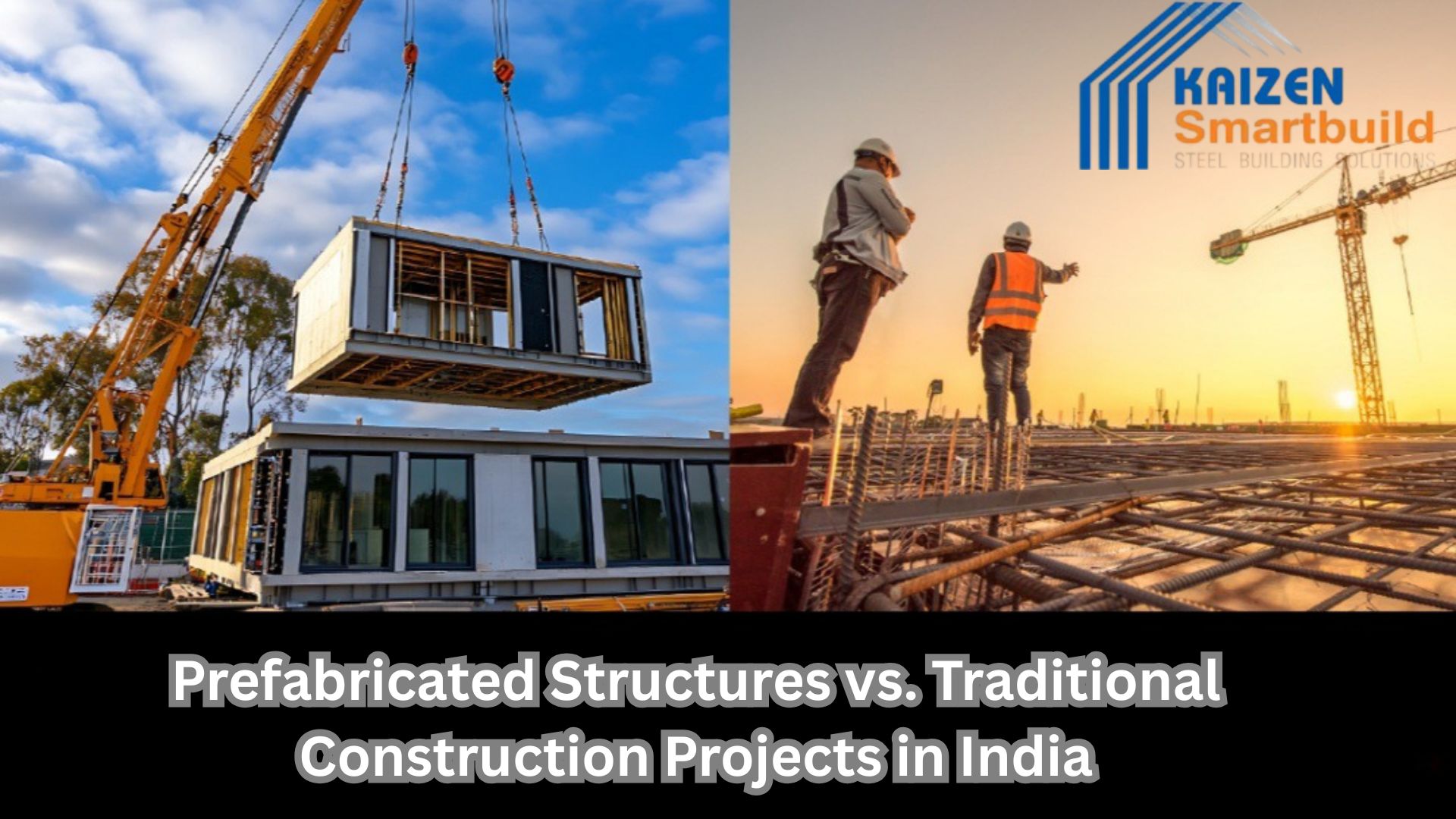
The construction industry is one of the largest industries, and each project costs a hefty amount. Engineers from multiple fields continue to research and look for effective solutions to the big problems. When the industrial growth was at its peak in the previous century, the prefabricated technology started to become a norm in the construction of high-rise buildings and sheds. Steel, the primary material used in these structures, is the key reason why pre-engineered buildings are popular. In this blog, we will understand the differences between prefabricated structures and traditional construction projects in India.
Key Differences Between Prefabricated and Traditional Construction
1. Definition
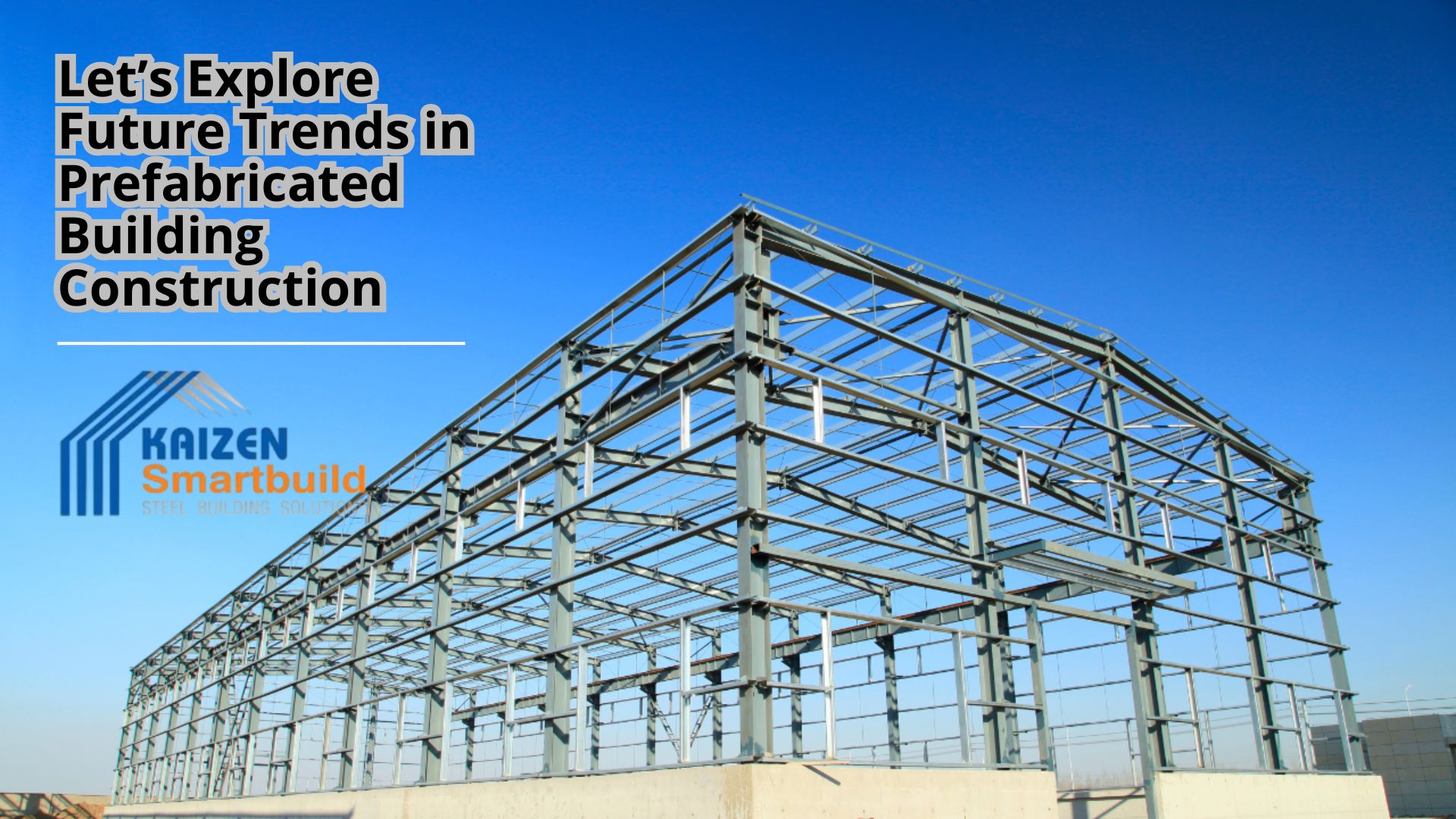
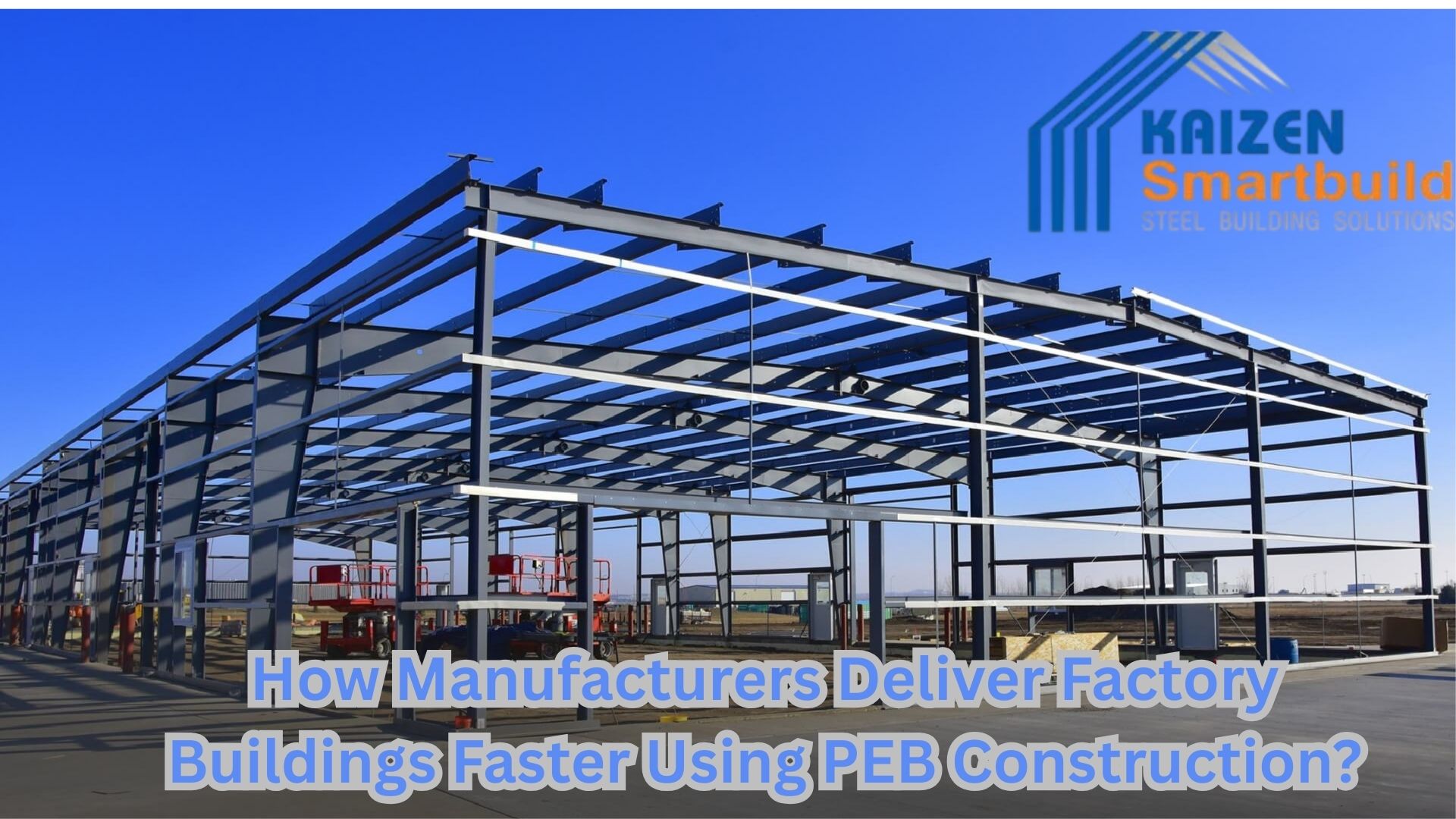
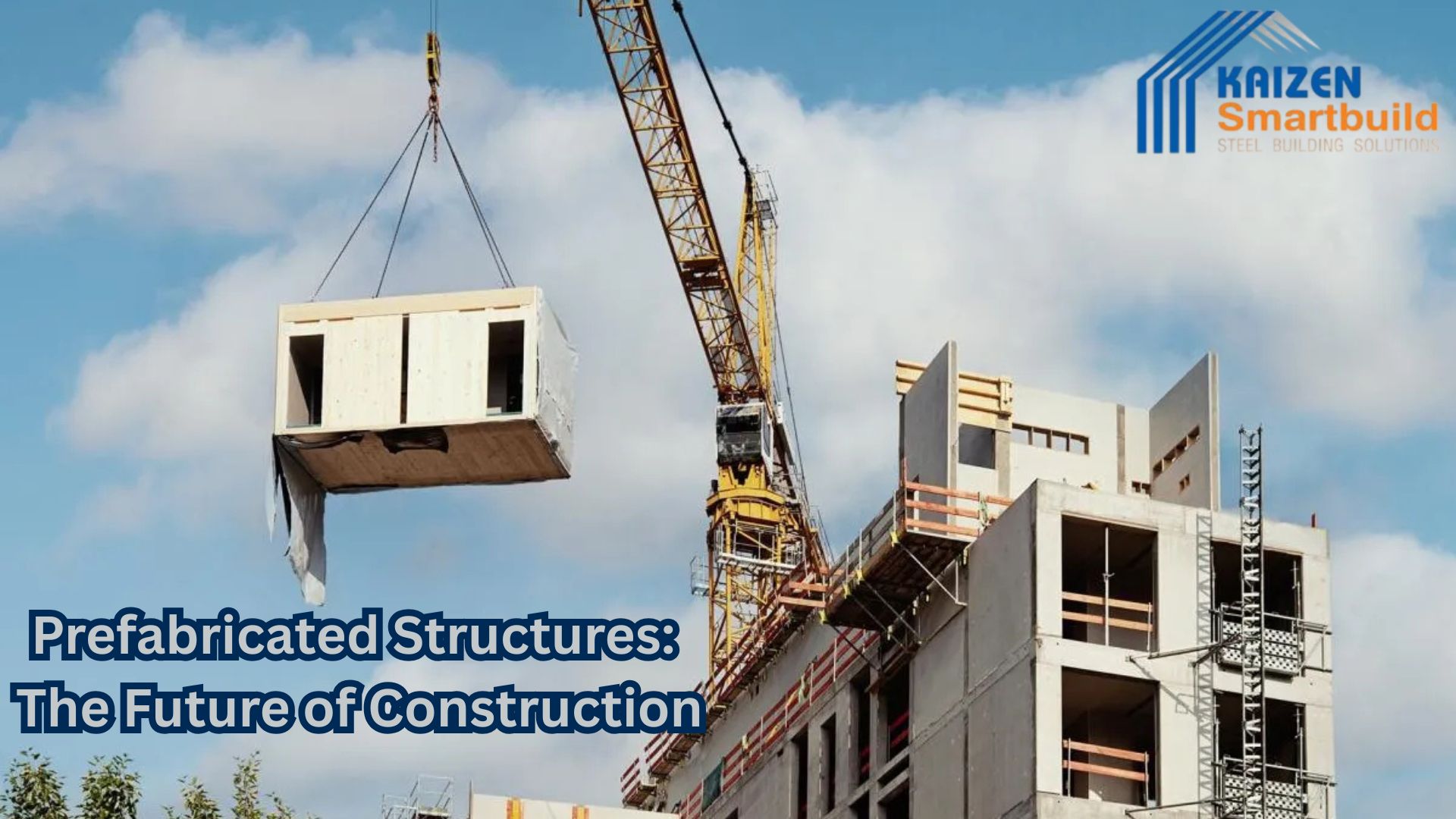
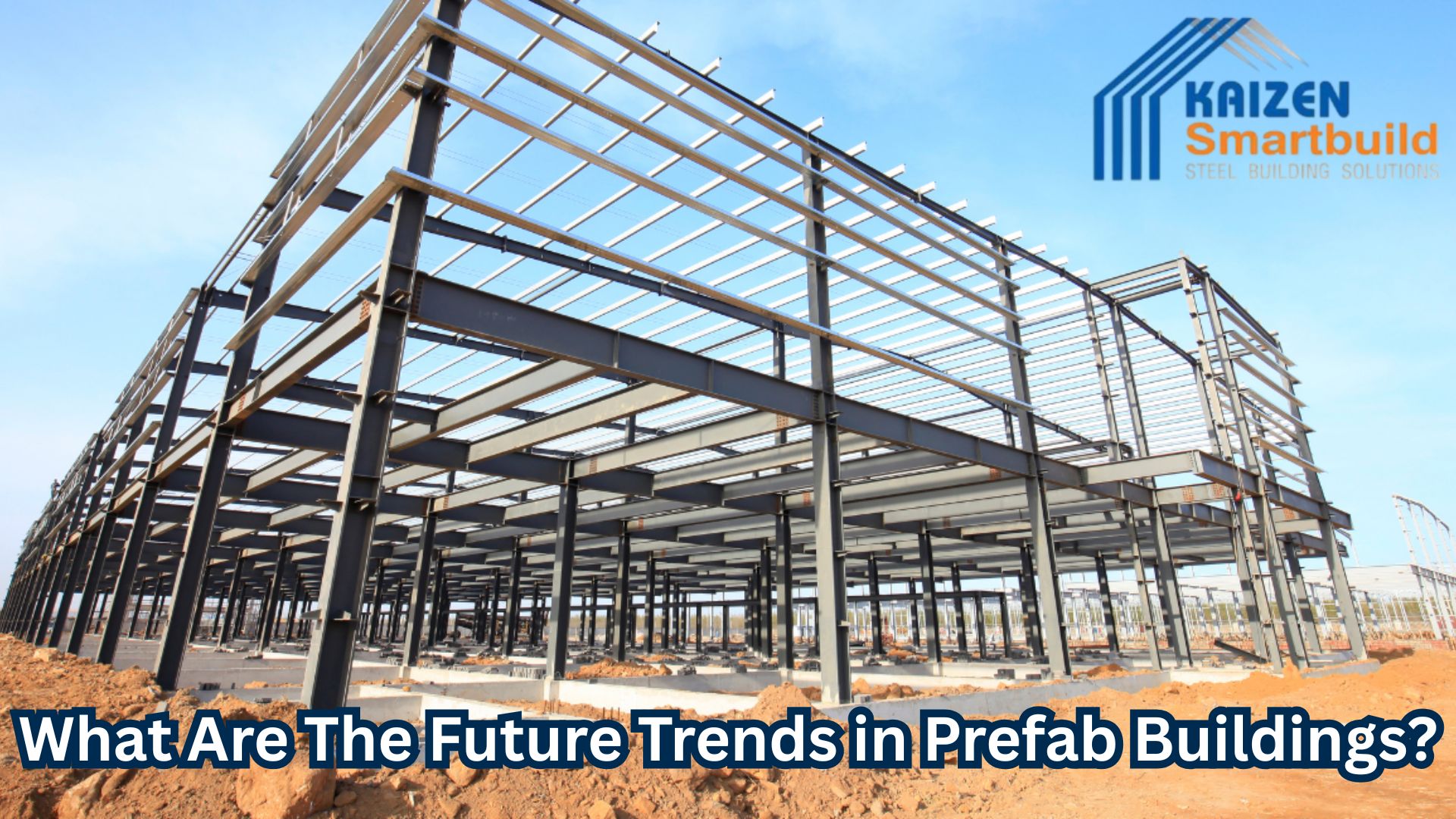
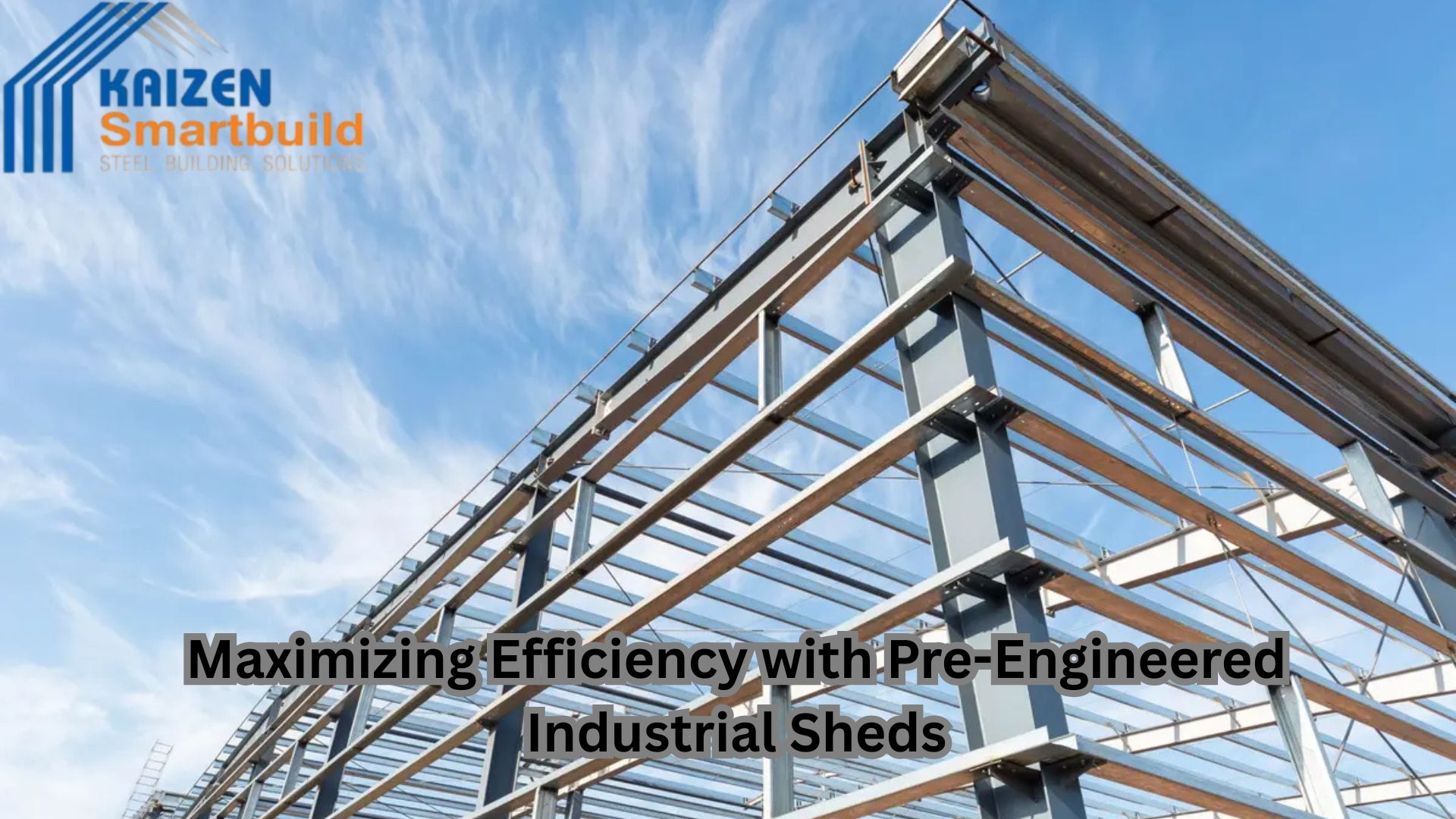
Prefabricated Structures: Pre-fabricated structures are the steel frames and components of the building which are made at a factory and not at the construction site. The components are then transported to the site, erected and completed as per the approved design.
Traditional Construction: In the traditional construction method, concrete is the primary material used and it is constructed on the site. There is freedom to make design changes in this method but it takes more time.
2. Cost
Prefabricated Structures: The cost invested in the prefabricated structures is less because it is completed in much less time than traditional method. The building owners also save on the daily labour cost.
Traditional Construction: For large size projects like factory, commercial complex, or a residential medium to high rise building, the traditional method costs a lot more because of the unwanted delays, labour intensive procedures, and material costs.
3. Quality Control
Prefabricated Structures: The prefabricated structures are made in the factory where the machines and labours are expert in accomplishing the project using advanced techniques. They are much more professional and skilled because of the organized setup.
Traditional Construction: The project leads have less quality control because they face several issues such as lack of labour availability, delays in material sourcing, lack of quality inspections and many more concerns arise during the project.
4. Flexibility
Prefabricated Structures: These structures are made of steel components which can be disassembled and reassembled. It allows the building owners to reshape, restructure, modify and expand as per the changing needs.
Traditional Construction: The structures built by traditional construction method are fixed and any changes requires breaking and material wastage. The pre existing structures are broken and new ones are made.
5. Sustainability
Prefabricated Structures: Prefabricated structures are sustainable because of the use of steel, which doesn’t need water in its fabrication. The designs are also energy efficient with natural skylights and insulation panels.
Traditional Construction: Concrete structures require a huge amount of water. It also emits a lot of pollutants as the project goes on. Therefore, these cannot be considered a sustainable option.
Conclusion
As the Indian economy rises to the high level of development, the innovations in the construction domain contributes to the businesses by reducing cost, offering better speed, and increasing sustainability points for the industries and businesses. The prefabricated structure manufacturers like Kaizen Steel Building Solutions address the challenges of the traditional construction method by making buildings with robust quality control and accomplishing the project within promised timeline